Designed to automatically detect and stop fires. They’ve become the best method of preventing fire hazards, minimizing harm, and promote workplace safety. Some people will use water-based suppression systems, but nevertheless suppression systems are a much better choice when protecting water-sensitive equipment.
When suppression systems were First devised the fire sprinkler systems was utilized only to contain the flame before the firefighters arrived. With the discovery of fast suppression technologies, the sprinklers became a trustworthy tool for controlling and containing fires.
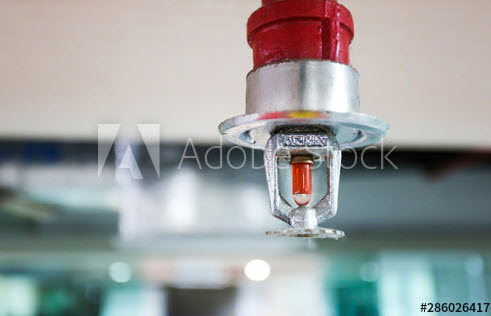
But, some sensitive things and Electronic equipment could suffer with heavy water damage. Those that do, normally take over three years to recuperate from the damage. Although fire is principally responsible for the reduction of resources, water may also damage electronic archives and components indefinitely.
From the effort to minimize water Damage and potential dangers from chemical agents, water mist dispersion systems have been released. Even though they do restrict the water damage, many things can influence their effectiveness so they aren’t always reliable. When businesses need to protect their sensitive materials, high-value things, big warehouses, archives, data centers, or ICT facilities, clean agent fire suppression systems are a safer alternative.
Sterile Agents at Suppression Systems
Clean agent extinguishing systems Work by eliminating the factors that encourage the flame. The benefit of gaseous fire suppression systems is they operate on preventing fire rather as well as extinguishing it following detection.
According to the FSSA, wash Agents do not only prevent harm, but they also speed up the company’s recovery period from damage. Unlike water-based systems, gaseous fire suppression systems are non-conductive and non-corrosive. Gases may also reach fires which start in vague locations, for instance, electronic components within machines.
Some agents Aren’t used in Occupied areas. By way of instance, carbon dioxide may be responsible for suffocation. Some compounds, such as Halon, were banned because they carry the risk of ozone depletion and can create other dangerous substances. They’re still utilized in certain nations for critical military programs. However, technological advancement enabled manufacturers to create safer clean brokers that are acceptable for use even in occupied spaces.
Additionally, many studies on Health effects of oxygen-depleted areas have been conducted, and no health dangers were listed. Most brokers on the market failed toxicity controls and fulfilled with the federal security standards for use in occupied areas. After they eliminate the danger, the room is ventilated, and the material leaves the space together with the fire equipment.
Conclusion
Water remains the principal form of fire prevention. It is powerful, reliable, and safe. Nonetheless, in some cases, water-based fire Suppression systems are useful only for containing fires. Sensitive business Facilities that need a higher degree of protection from fire require Rapid-fire prevention instead of fire containment. In those cases, clean Agents are a much safer choice than traditional systems.
 All about Equipment